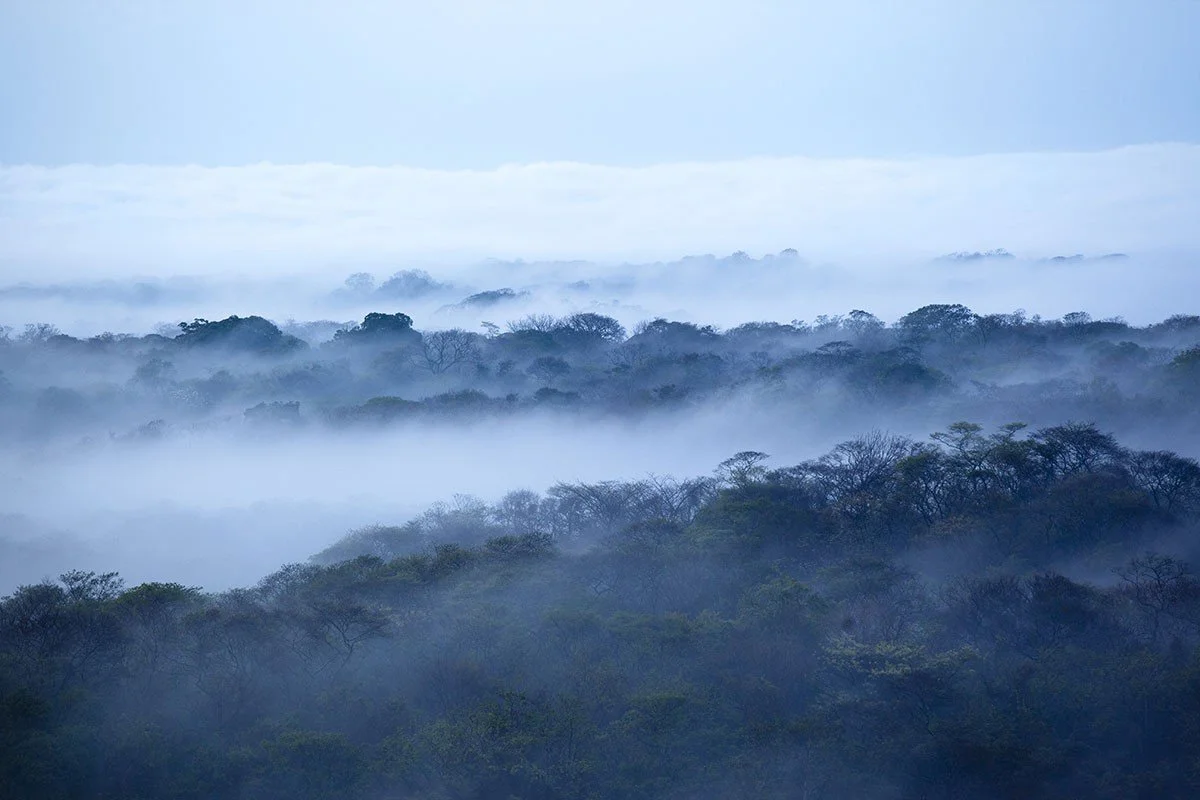
The Forest Ensemble
A collaboration between
Pablo Lopez-Bustamante, Tropical Ecologist, & Sara Bouchard, Sound Artist
Bridging the gap between urban society and nature through the science of biological competition and the language of music.
Take a moment to enjoy the sounds of the tropical dry forest

Area de Conservacion Guanacaste (https://www.acguanacaste.ac.cr)
*use of headphones is recommeded

Imagine the forest as a musical ensemble where each plant species is a unique instrument with its own tone, pitch, and rhythm.
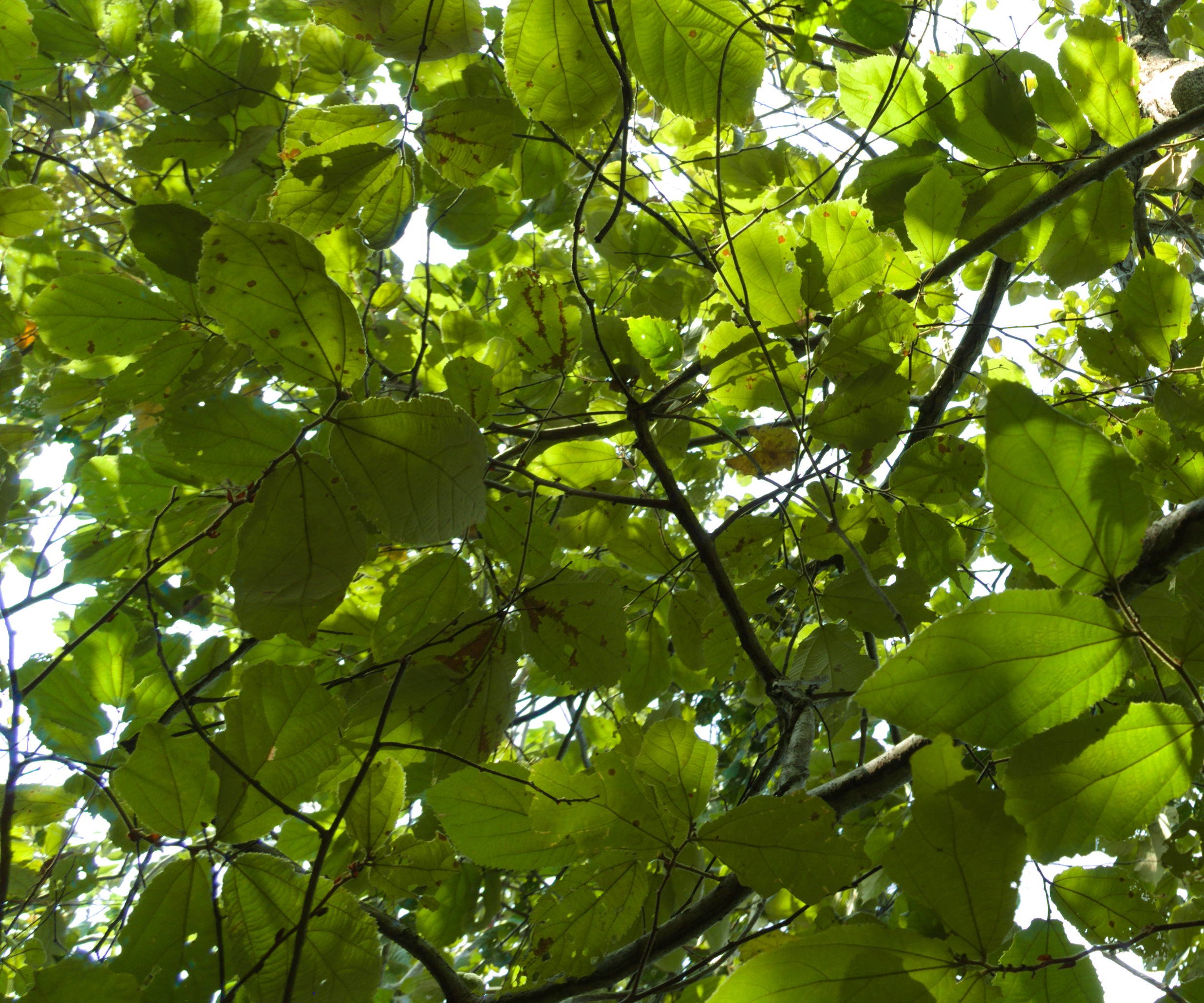
Over time, as different plant species take root, grow, and reach maturity, the forest’s composition shifts. Listen to the melodies of plant communities coming together in song:
The Forest Ensemble
Voice, mandolin, hand drum: Sara Bouchard | Guitar, upright bass: Alan Biller
Plant communities are the forest’s grand ensembles. When species coexist and interact, they create stunning melodies of life, a complex arrangement where every species plays its vital part in the collective song.
We are Pablo and Sara, an ecologist and a composer, who have collaborated on three musical compositions to bring the Costa Rica’s tropical dry forest to your ears in a new way.
Read on to meet the Forest performers in the Forest Ensemble and discover the melodic and rhythmic shifts that define each distinct group of plants. These groups are the living melodies of the forest. Then explore how these groups interact in Competition vs. Facilitation. Finally, listen to the Forest Sonification, our composition based on ecological data.
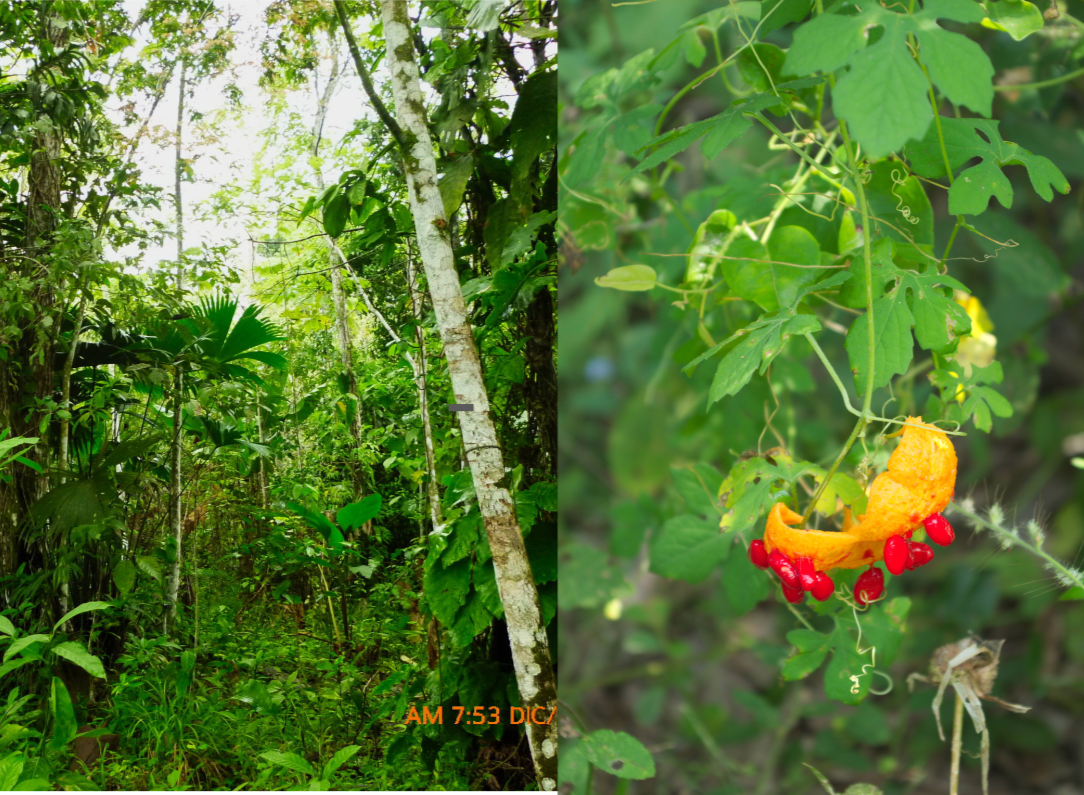
The Forest Performers
Just as a musical ensemble is organized into parts—vocals, accompaniment, and rhythm—we can group trees by their ecological functions.
Two ecological groups that drive forest recovery are successional role and seed dispersal strategy. We call these the 'time performers' and 'movement performers'. Learn about each ecological group and hear their traits become musical motifs in our Forest Ensemble.
The Movement Performers
Seed Dispersal
Seed dispersal is the mechanism through which trees travel, moving away from the parent plant to colonize new ground. This process relies on various agents—wind, water, gravity, and animals—to carry life across the landscape. As tropical dry forests recover from disturbance, their composition changes along with the role of these dispersal agents: 'Wind Travelers', more abundant early on, decline while 'Animal Travelers' become dominant over time.
We have assigned instrumental voices to two native trees representing these differing dispersal types. Discover their voices and hear their contrasting musical arcs in our Forest Ensemble composition.
The Animal Traveler
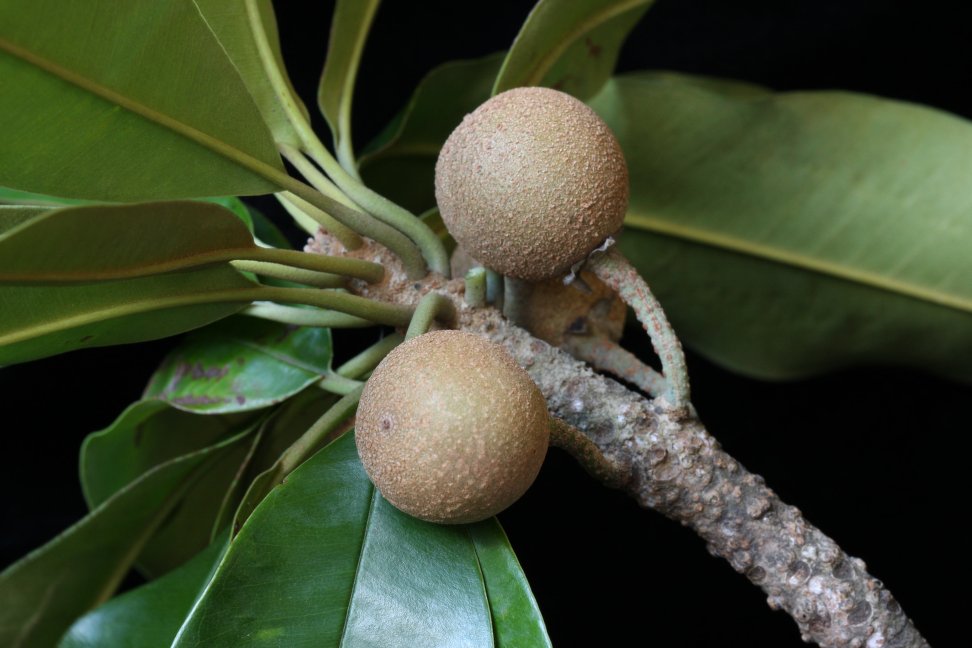
Manilkara chicle - Upright bass
These are the forest’s shy colonizers. By producing fleshy, nutrient-rich fruits, these species entice birds, bats, and mammals to act as their couriers. These animal partners move within the 'discrete' protection of a previously established canopy, safely crossing the landscape. Often slow-growing and shade-tolerant, these plants form a second forest layer beneath the pioneers—becoming the emerging giants that will eventually dominate.
With thick, leathery leaves, Manilkara chicle lures large mammals with the sweet scent of its sticky-milky fruit. These animals carry the massive, nutrient-rich globose fruits deep into the protected, shady environment beneath the canopy, dispersing seeds where the light is low and the weather humid and cooler.
We selected the upright bass, with riffs that are grounded but slightly irregular, to embody this slow-growing animal traveler.

The Wind Traveler
Semialarium mexicanum - Mandolin
These are the landscape’s early colonizers—bold pioneers crossing open terrains driven by the wind. Highly tolerant of drought and intense light, these fast-growing species produce winged seeds that take flight with the gusts. As they establish in open fields, their expanding crowns create the first 'green shelter,' providing the essential shade and protection required for other species to take root.
With its beautiful 'helicopter' fruits that whirl along the wind, Semialarium mexicanum travels far from the parent plant. This aerial strategy allows it to reach open, sun-drenched areas too harsh for other species to colonize. By mastering the air, this tree acts as a bold explorer, establishing a presence in the most exposed landscapes of the tropical dry forest.
We selected the mandolin, with its tremolo reminiscent of fluttering seeds, to embody this fast-growing wind traveler.
The Time Performers
Forest Succession
As the tropical dry forest recovers, species colonizes the landscapes in waves, wehre each group plays its role at a specific moment in time. We have classified these “time performers” based on their arrival during the forest succession.
We have assigned instrumental voices to three native trees, each corresponding to a successional species group. Listen to their individual voices, then retunr to our Forest Ensemble composition to hear the progression of forest succession over time.

The Pioneer
Cecropia peltata - Hand drum
These are the ‘firstcomers’—fast-growing, light- and drought tolerant, and often wind-dispersed. They are the first to colonize recovery sites, quickly shaping a canopy that offers shelter and creates the necessary conditions for others to arrive.
Cecropia peltata, with its striking silvery-gray leaves, quickly colonize open areas, leading and accelerating the forest’s recovery process. As a high-energy pioneer, it sets the tempo and marks the rhythmic heartbeat of the forest ensemble.
We selected a wooden hand drum to represent this pioneer known as the ‘trumpet tree’, whose hollow branches have been traditionally used to craft musical instruments.

The Mid-Successional
Astronium graveolens - Voice
As the pioneers create shade, these species move in. Often dispersed by birds or bats, they are less drought- and- light-tolerant, beginning to bridge a gap toward more complex forest structure.
Astronium graveolens, a resilient hardwood with elegant, long-compound leaves, finds refuge beneath the shelter of established pioneers. It carries the melodic theme that drives the forest’s recovery, bridging the gap from early colonization to a mature, stable ecosystem.
We selected the voice to sing the melody of this mid-successional species.
.jpg)
The Late-Successional
Swietenia macrophylla - Guitar
As pioneers reach the end of their short lifespans, space opens for shade-tolerant, slow-growing species. Typically dispersed by animals, these species form the forest's enduring foundation.
The ancient giant Swietenia macrophylla crowns the forest, watching over the ecosystem from the canopy's edge. With dense wood and wind-dispersed seeds, this majestic tree provides the resonant foundation of the ensemble. It playfully intertwines with the existing melody, spanning the entirety of the forest’s recovery.
We selected the guitar to represent this late-successional tree in the mahogany family, whose wood is highly prized for musical instruments.
Dissonance & Harmony
Competition & Facilitation in the Tropical Dry Forest
In the forest, all species interact with each other, creating braided melodies. Some species clash in a fight for vital resources, while others lay the rythmic foundation, allowing more sensitive species to join the ensemble.
Listen to the species’ melodies as they battle and blend: hear the powerful, supportive harmonies of facilitation alongside the sharp dissonance of competition.
Competition
The soloist species, Attalea butyracea, fights hard to maintain its melody, using its massive fallen fronds to suppress the harmonies of species trying to emerge from the ground. This creates a heavy, dangerous dissonance that keeps the forest’s musical ensemble in a state of constant tension.
Mandolin, piano: Sara Bouchard
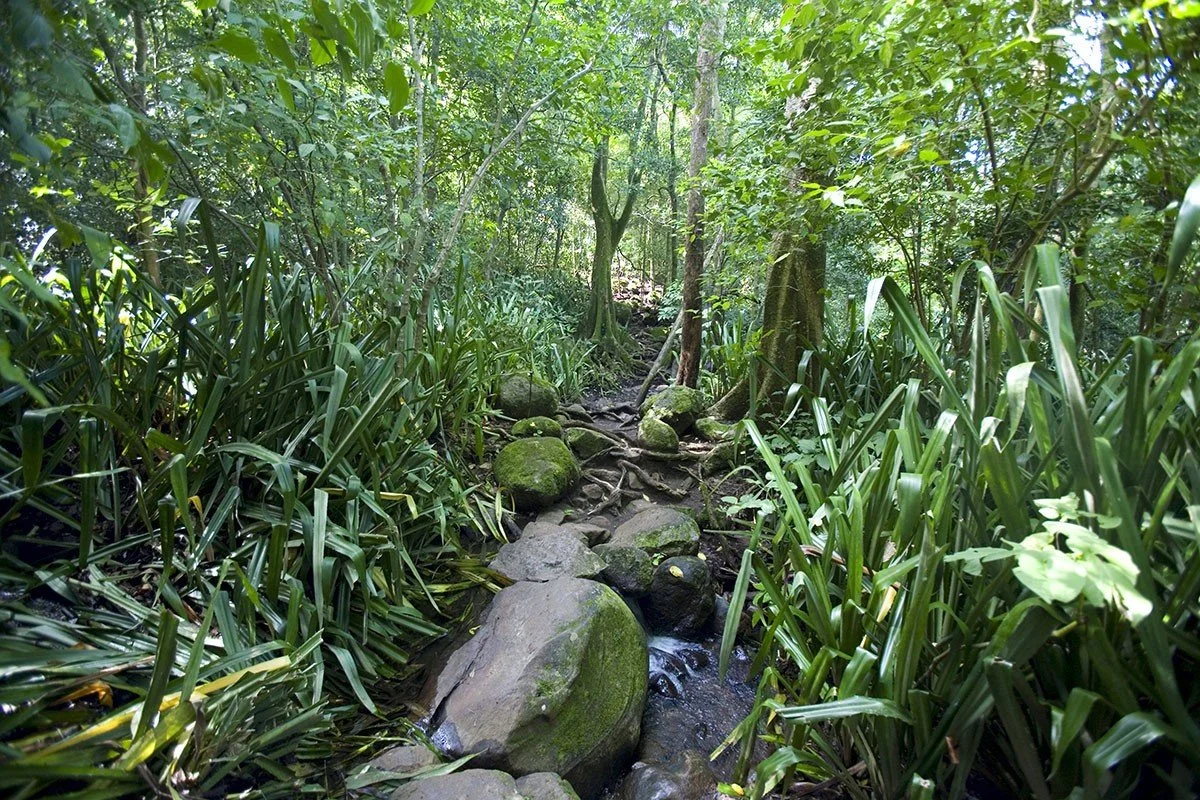
Facilitation
The melodies of different species cooperate to create a harmony that enhances and enriches the forest’s musical ensemble. Here, each species plays its unique melody while sharing the vital energy of the soil, water, and light, allowing the collective song to flourish.
Mandolin, piano: Sara Bouchard
The Forest Sonification
Mandolin, piano: Sara Bouchard | Guitar: Alan Biller | Field recording: Menill Lab
This composition has been ‘written’ by 30 years of ecological data. Scroll down to learn more.
Behind the sonification
What am I hearing?
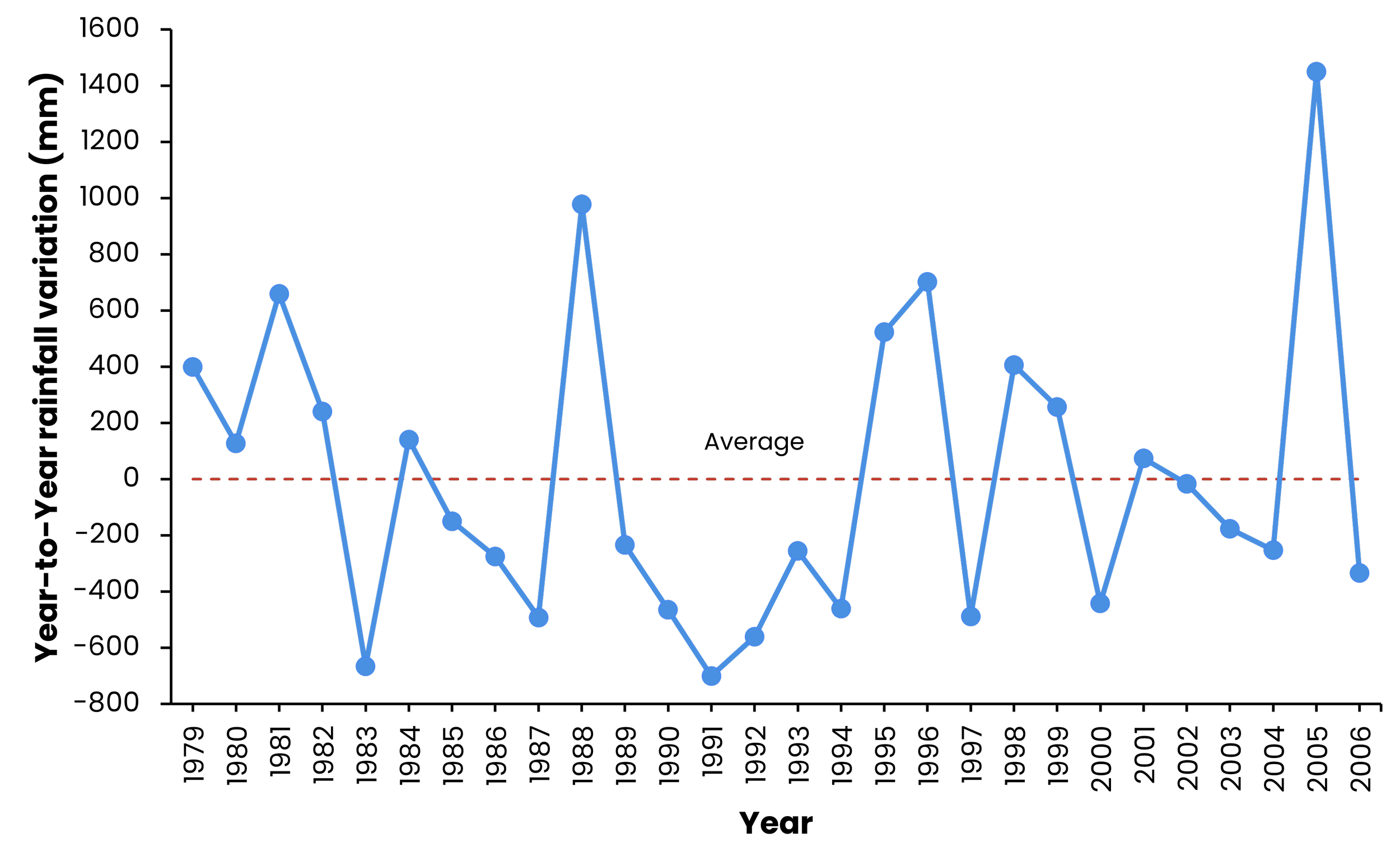
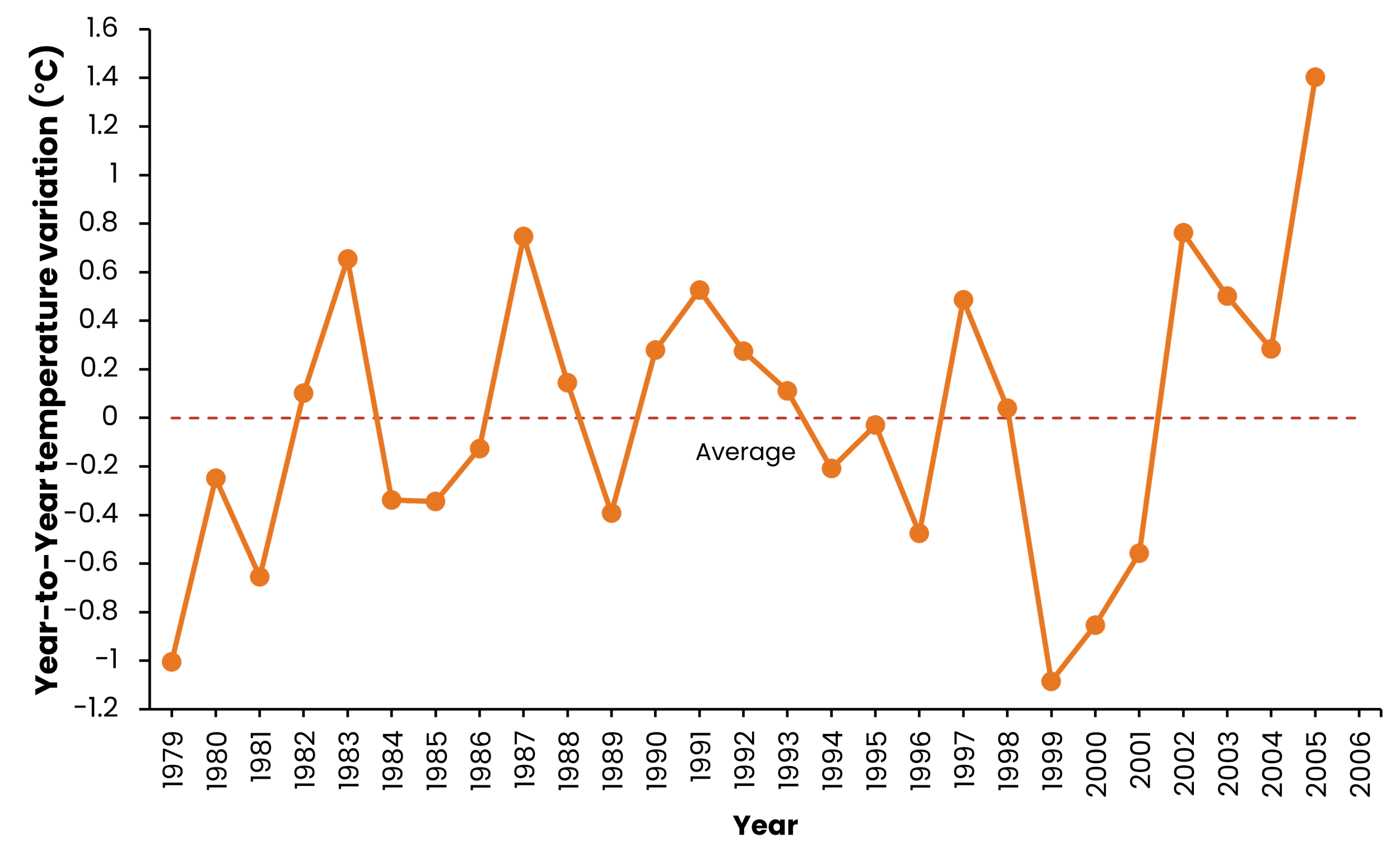
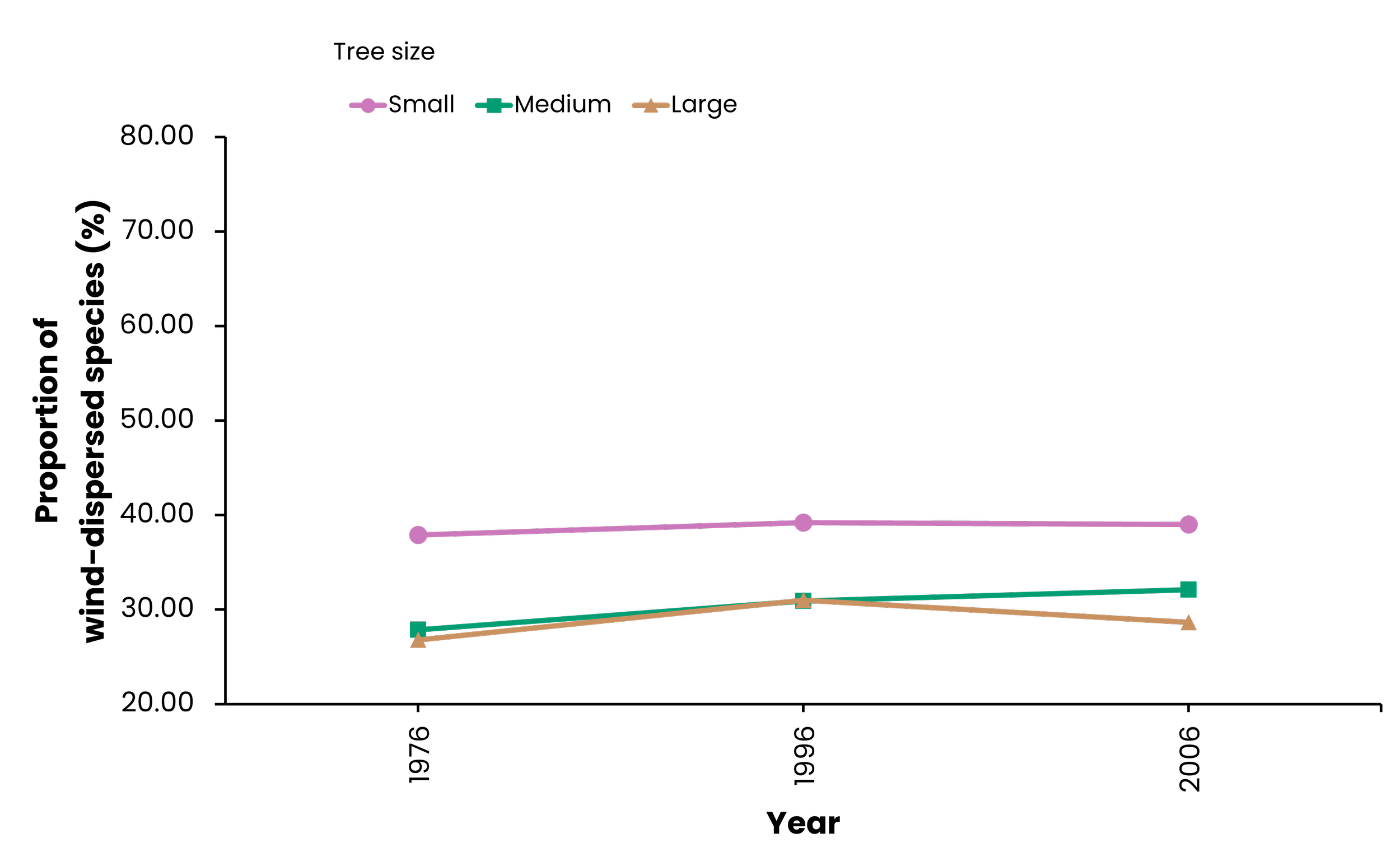
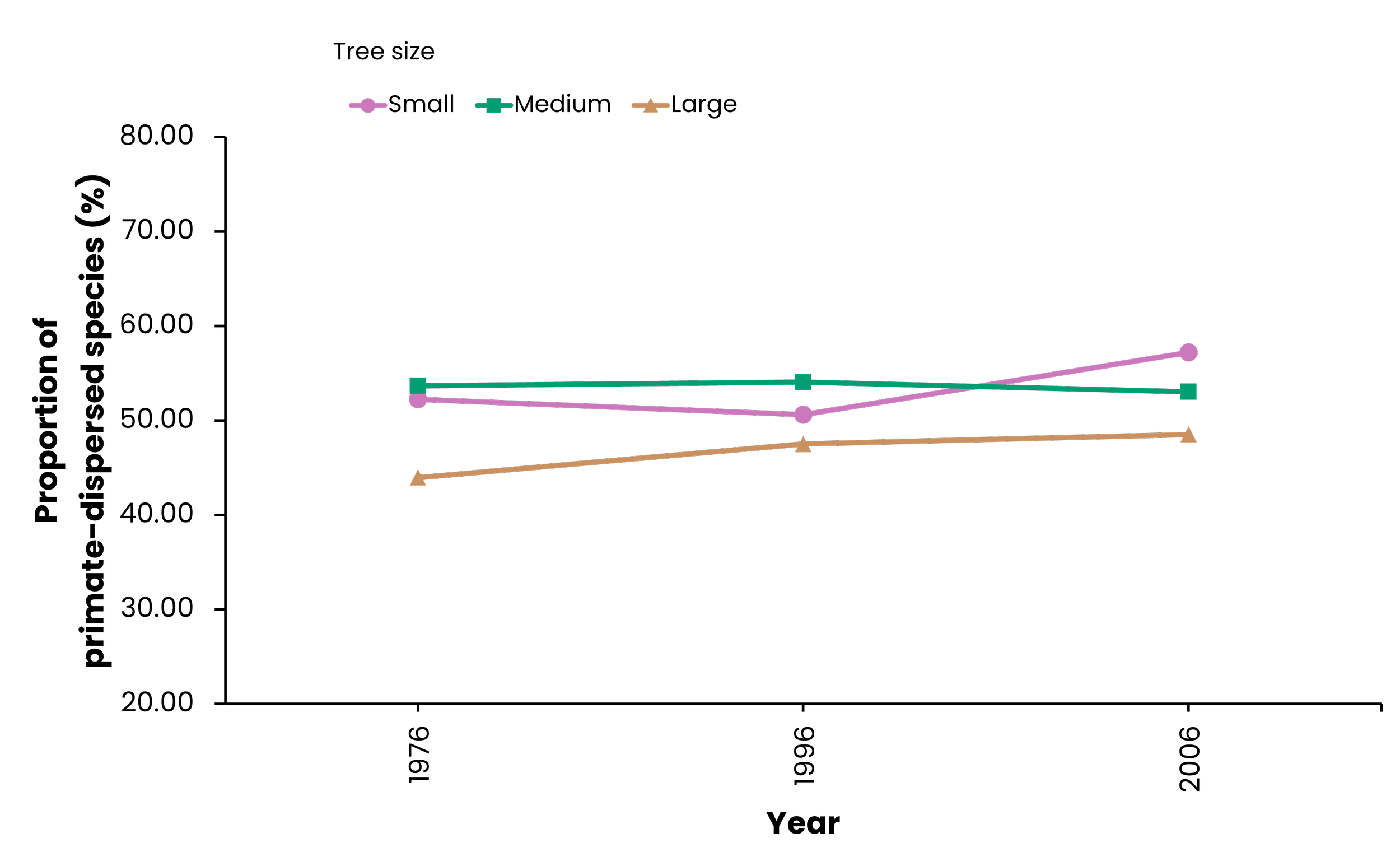
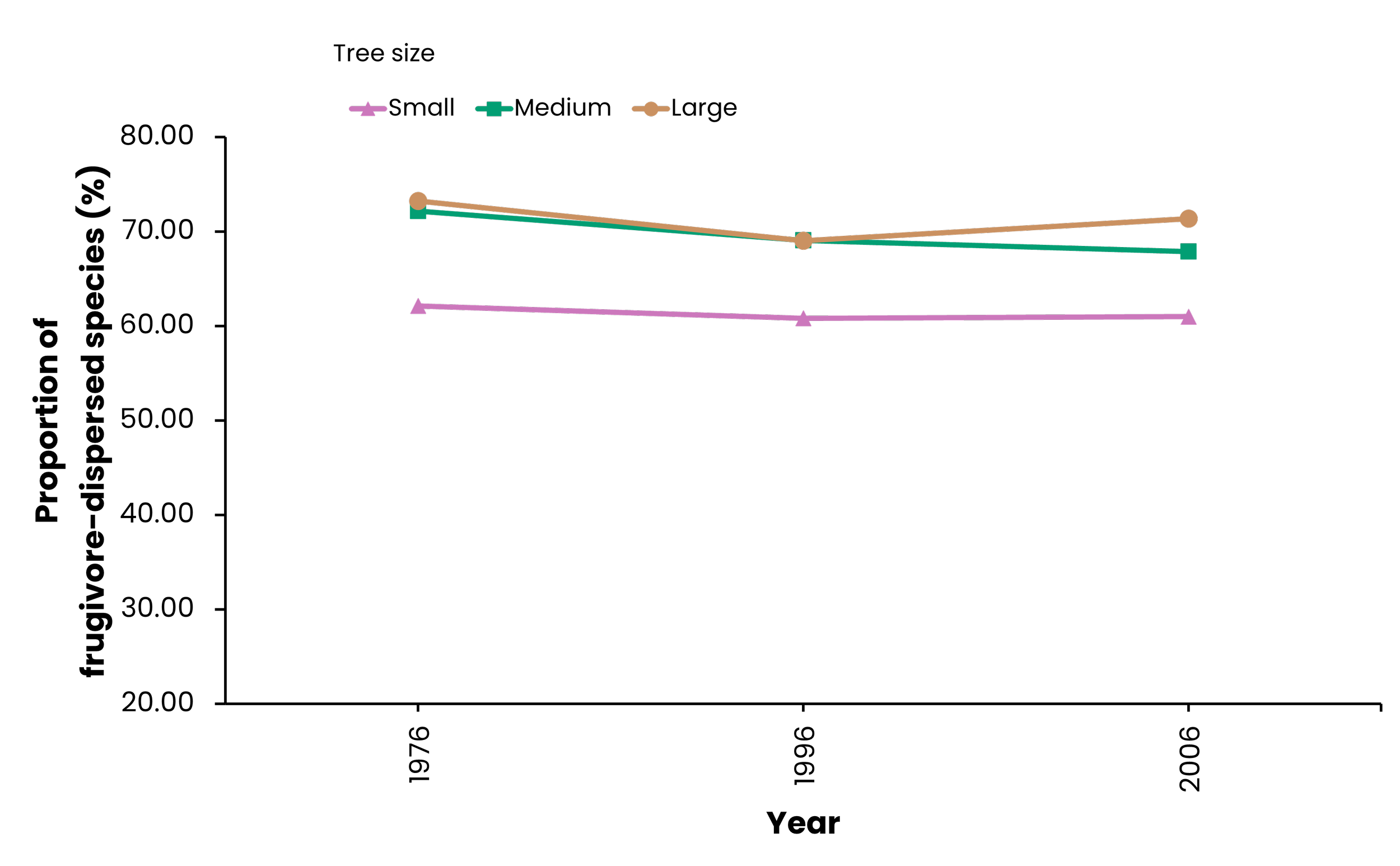
Our data sonification composition translates 30 years of ecological data from the San Emilio ForestGEO plot, Área de Conservación Guanacaste in Costa Rica, into musical pitches. Listen for two contrasting melodies climate: piano plays annual total rainfall and mandolin plays average annual temperature. See how their rise and fall correspond to the visual graphs below. These climate melodies repeat three times throughout the composition.
Alongside these climate data cycles, the broken chords of the guitar represent tree abundance—a ‘headcount’ of three different dispersal groups. The first cycle reveals the percentage of wind-dispersed species over time, the second represents primate-dispersed species, and the third frugivore-dispersed species. In the background, a field recording from Costa Rica represent the lush ambience of the tropical dry forest.
Notably, the relative abundance of each group has remained largely stable over time and does not follow typical recovery pattern, as illustrated in our Forest Ensemble composition. This stability shows that higher temperatures and lower rainfall may change the forest’s natural recovery process.
The Rhythms of Change: Variable Trends for Data Sonification
The Data Source:
Duration: 30 Years of Monitoring.
Ecosystem: Tropical Dry Forest.
Variables: Climate data & species abundance
Key Players: Wind-, Frugivore-, and primate-dispersed species
What is data sonification?
Turning numbers into sound
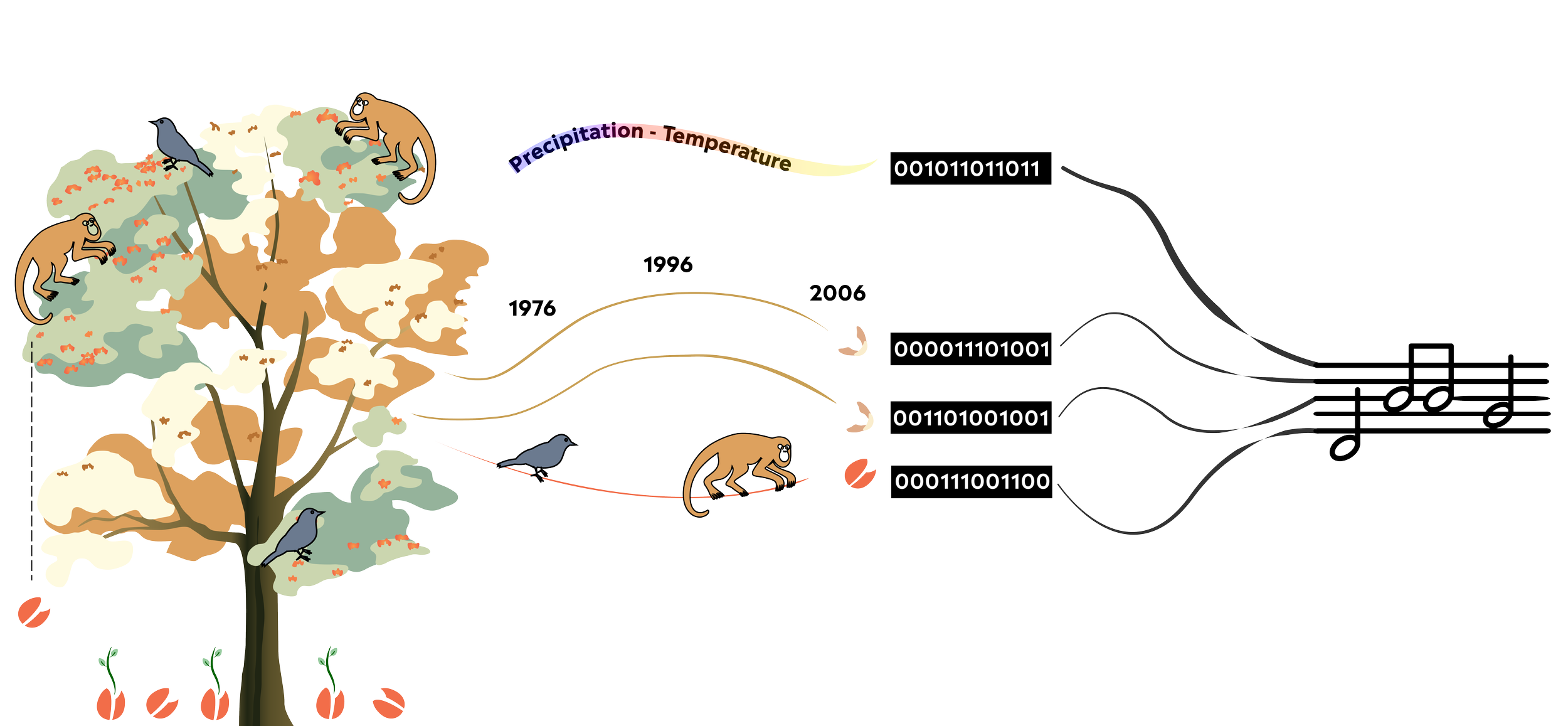
Data sonification is the process of representing data in the form of sound or music. In our Forest Sonification composition, we mapped ecological data sets to pitches on the piano, mandolin and guitar.
The data:
We used 30 years of climate data (rainfall and temperature) alongside three datasets of tree abundance recorded in 1976, 1996, and 2006. This data captures the changing rhythms of species with contrasting dispersal strategies in a tropical dry forest: Wind, primate, and frugivore dispersal
Translation:
Using software to perform mathematical calculations, we map the range of data values to MIDI numbers corresponding to musical pitches. Each number in the dataset is proportionally converted: minimum values become low notes, maximum values become high notes. This workflow transforms ecological data into musical notes, weaving numbers into melodies.
The composition:
Human performers recorded these data-driven melodies, which we then braided with field recordings from the forest. The result is the Forest Sonification—an artistic interpretation representing the stability of these groups intertwined with the rising and falling patterns of climate over three decades.
The Resonant Connection
From Listening to Conservation
What happens when an ecologist and a sound artist come together? Nature becomes music, bringing the hidden harmonies of species to life and showing the beautiful complexity of forests. Our purpose is to offer another perspective and appreciation of tropical dry forests through music. Learn more
If understanding is the first step toward protection, then appreciation is the vital bridge to conservation. We reconnect with the natural world by listening to its rhythms.
Supported by